


Donald Trump has never been shy about grandiosity, but his self-designation as the "chosen one" raises eyebrows among critics who see parallels with messianic or even Antichrist figures. Whether a joke or a deeply held belief, his claim echoes the prophetic language often reserved for biblical figures.
The fervent devotion of his followers borders on religious zealotry, drawing comparisons to the Antichrist's ability to cultivate an almost messianic following. His charisma, often described as deceptive by critics, has led supporters to dismiss moral and ethical failings—an alarming echo of the Antichrist's prophesied power to deceive.
Trump's close ties to certain religious leaders, who elevate him to near-divine status, have further fueled these comparisons. TIME magazine has documented how some evangelicals view him as a God-ordained figure, a connection reminiscent of the Antichrist's association with false prophets.
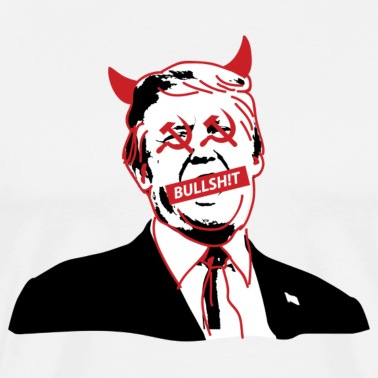
His presidency and post-office influence have been marked by division and societal upheaval. Biblical prophecy suggests the Antichrist will sow discord, and Trump's polarizing rhetoric and governance style have undoubtedly contributed to a deeply fractured nation.
After surviving an assassination attempt, Trump claimed divine protection, a notion some see as self-aggrandizing and in line with the Antichrist's narrative of invincibility. This claim, covered by THE FORWARD, reinforces the idea that Trump leans into religious symbolism to bolster his image.
His demand for unwavering loyalty from supporters, often accompanied by accusations of betrayal, mirrors the Antichrist's call for absolute devotion. Terms like "American carnage," used in his inaugural speech, evoke apocalyptic imagery that aligns with end-times prophecy.
Trump's persecution complex—portraying himself as the victim of endless legal attacks—echoes the Antichrist's narrative of unjust suffering. From waving a Bible in front of a church for a photo op to his frequent invocations of faith, his manipulation of religious symbols is seen by many as cynical opportunism.
Disinformation is another hallmark of Trump's reign, and fact-checkers have documented thousands of falsehoods. The Antichrist is traditionally depicted as a master deceiver, and Trump's penchant for bending the truth fits neatly into that framework.
His followers have created a culture of idolatry, with merchandise and imagery that elevate him to an almost god-like figure. Trump's relentless self-promotion and claims of being the sole solution to America's problems reflect the Antichrist's self-exaltation.
Trump's attacks on democratic institutions, from the judiciary to the press, are seen as an affront to established norms—a hallmark of the Antichrist's opposition to order. His repeated claims that he alone can fix the nation's issues align with the Antichrist's false promises of peace and prosperity.
Blasphemous behavior—using religious language to serve political ends—has further drawn criticism. His invocation of prophecy and willingness to position himself within an end-times narrative suggest a calculated manipulation of religious beliefs for personal gain.
Finally, Trump's stagecraft, from massive rallies to theatrical stunts, creates the illusion of grandiosity and spectacle—elements associated with the Antichrist's prophesied "signs and wonders."
Whether Trump is a historical anomaly or something more sinister, the parallels drawn by his critics suggest a troubling intersection of politics, religion, and cult-like devotion that demands scrutiny.