


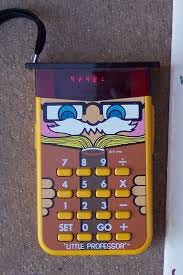
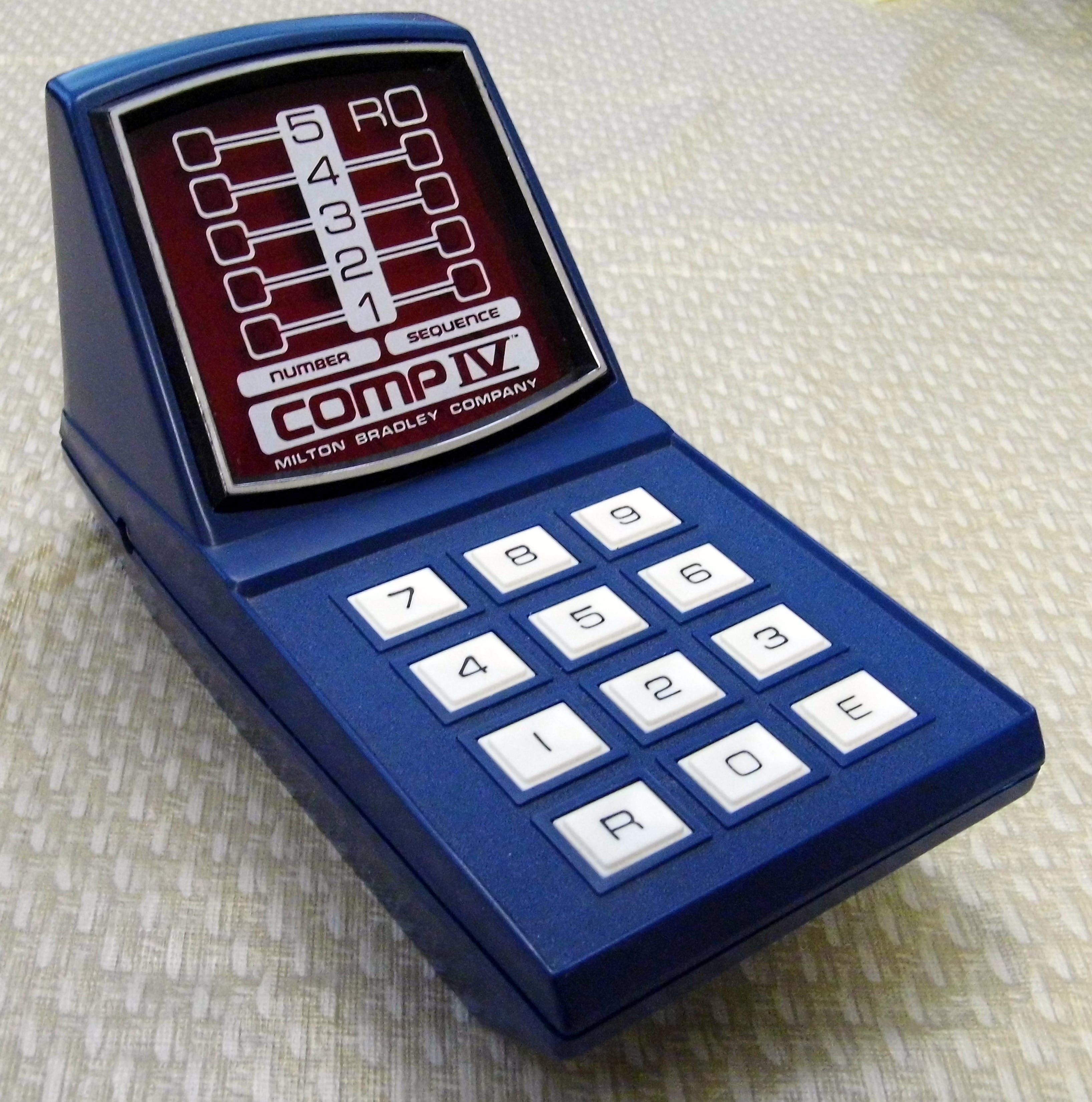
It is 2026, I was born in 1968, and I have been in love with machines for most of the years in between. It started with a calculator. Then a calculator that was somehow thin. Then a television remote, which meant I never had to stand up again. Each one felt like a small piece of the future, broken off and handed to me early. I have been chasing that feeling ever since.
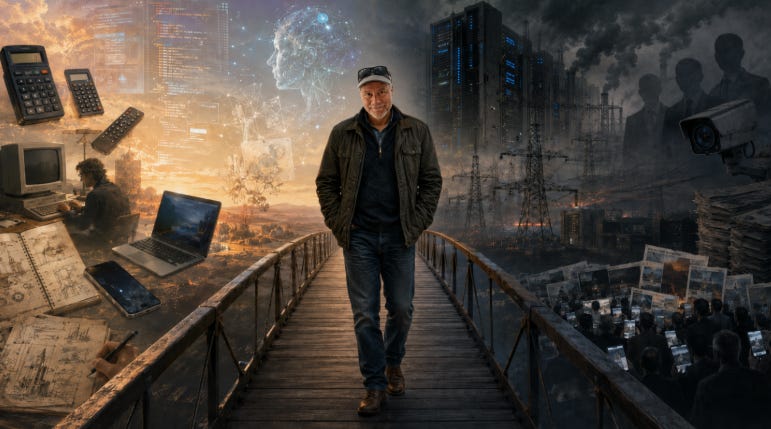
I was never the average appreciator of gadgets, the person who got around to a thing once it was safe and cheap. I was the early adopter. I bought before the reviews. I read the manual for pleasure. When other people waited to see whether something would last, I had already wired it into how I worked and thought and made a living. That has not changed. At fifty-eight, it is less a hobby than a personality trait, and personality traits do not file for retirement.
There is a reliable comedy to how this usually goes. Every generation produces its enthusiasts, and then those same enthusiasts age, and at some appointed hour, they decide the next thing is a menace. The radio would rot the family. The telephone was an open line for eavesdroppers. The internet was, depending on the decade, pornography or the devil or both. I watched my elders run this routine, and I quietly promised I would not. I assumed I had a permanent exemption. Enthusiasm felt like a fixed point.

It is not, and the way I found that out is stranger than the way I expected to. The people drawing the line this time are not my elders. They are my peers. They are the friends who stood beside me through every prior upgrade, who liked technology on the same enthusiastic terms I did, and who have now, almost in unison, decided that artificial intelligence is where the road ends.
I want to be clear that I get it, because the lazy version of this essay pretends the critics are fools, and they are not. The data centers are real. The energy draw is obscene, and it is being bolted onto a grid still mostly fed by things we set on fire. The oligarchs are real, and a meaningful number of them are not building tools at all. They are chasing a private rapture. A singularity, a synthetic consciousness, some endpoint they cannot quite name and would never let you vote on. All of that weighs. None of it is paranoid.
Here is the part I cannot wave away. The comforting story I grew up telling myself, that the old skeptics were always wrong and the future always vindicated the enthusiasts, is simply not true. The radio panic looks silly now. The phone panic does not. Phones do surveil us, constantly, and we consent to terms of service one box at a time. The internet connected the world and also hollowed out attention, local news, careers, and a fair share of common reality. The Cassandras were not always cranks. Sometimes they were just early. So I cannot reach for the generational pattern and use it to acquit myself. The pattern does not promise that my friends are wrong. It only promises that someone, eventually, earns the right to say they told me so.
So why am I still here, on the enthusiast side of the line, where I have apparently always lived. Partly because I do not know how to be anyone else. But partly for a reason that is harder to admit out loud at fifty-eight than it would have been at twenty-five.
I have spent my life expressing things. Code and prose, programs and stories, visions I needed out of my head and onto a screen where another person could finally see them. And the expressing took years. It took an enormous, unrecoverable quantity of time. I now have an editor that does not sleep and a programmer that does not bill by the hour. They help me argue, build, debug, and finish. They turn the gap between a vision and its working version from a season into an afternoon. The energy critics are worried about the planet’s clock, and they are right to be. I am also, more quietly, worried about my own. Both clocks are real. Only one of them gets discussed in polite company.
And technology has always been a double-edged sword in a world that runs on combustion. Every machine I have ever loved burned something to do its trick. The car. The desktop. The phone that the critics and I both keep in our pockets while we have this argument. AI is not a new moral category. It is the same old bargain at higher resolution, and there is something a little convenient about treating it as uniquely damned while using every prior bargain to arrive at the keyboard.
What I will not do is pick a tribe. The line in the sand is theater. It lets you feel clean without changing much, because the data centers do not register your abstention, and the oligarchs do not read your unsubscribe note. The honest position is harder and far less satisfying. You can use the tool and stay genuinely furious about the conditions under which it is made. You can refuse to pretend the cost is imaginary and also refuse to pretend that refusal is a politics. Embrace and indict. At the same time. On purpose.
So yes, I am stuck in the middle, and I have decided the middle is not a failure of nerve. It is the only spot on the bridge with a clear view of both banks. I am not going to become the skeptic I was supposed to become. I am also not going to become the evangelist who tells you the cost is a rounding error and the singularity is a feature. I am going to keep doing the thing I have done since the calculator. Use what is in front of me, build what I can with it, and stay awake about what it takes to run.
That is not a line in the sand. Lines in the sand are for people who enjoy the feeling of having a position more than the work of holding one. The middle has the worst marketing of any address available. It is also the only one I can actually defend.