


Start with the room. The Situation Room exists so that presidents can manage wars, coups, hijackings, and nuclear incidents inside a secure facility where nothing leaks. According to the New York Times Magazine excerpt of Regime Change, the Haberman and Swan book arriving June 23, Donald Trump’s senior staff convened there repeatedly last summer. Not for Iran. Not for a hostage crisis. They gathered in the most secure room in the United States government to figure out how to manage the public relations fallout of the president’s decades-long association with Jeffrey Epstein, and they chose that room because they were terrified their own colleagues would leak the meetings.
Sit with the architecture of that fact. The classified spaces of the American state were repurposed as a privacy shield for damage control about a sex trafficker. That is the imperial presidency the book’s title promises, rendered in floor plan. The government’s secure infrastructure no longer separates matters of state from matters of the man, because under this administration there is no longer a difference.
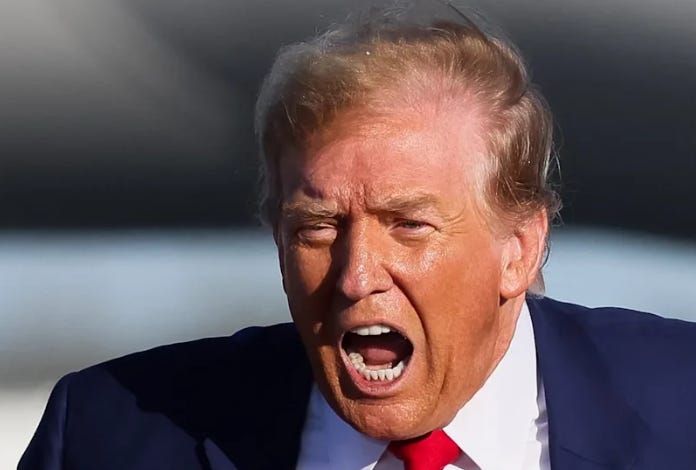
Brendan McDermid / Brendan McDermid/Reuters
The excerpt, titled as an account of the White House freakout over the Epstein files, reconstructs the summer of 2025 from the inside, and every detail confirms what the public-facing chaos already suggested. JD Vance and Susie Wiles in the room. Vance arguing that all the files should come out as fast as possible, then, in the same breath, floating what the authors describe as an extraordinary gambit: enlist Tucker Carlson to interview Ghislaine Maxwell in prison, on the theory that it would help if Epstein’s convicted procurer would publicly absolve the president. The vice president of the United States proposed laundering an exoneration through a podcaster and a felon.
Hold that against what actually happened. In July 2025 it was not Carlson who sat across from Maxwell. It was Todd Blanche, Trump’s former personal defense attorney, then the deputy attorney general, who conducted a two-day interview with her personally, an act with no precedent in modern Justice Department practice. Maxwell was subsequently moved to a minimum-security camp. The book reveals that the interview-the-accomplice idea was circulating in the West Wing as a PR strategy before it materialized as an official act of the Justice Department. The gambit Vance floated as media management was executed instead with subpoena-adjacent gravity by the president’s own ex-lawyer wearing a government title. Readers of this publication’s Coward Files will recognize Blanche as entry #04. The book just supplied the staff meeting where his errand was conceived.
Trump himself, per the authors, wanted the entire subject buried and snapped at anyone who raised it, which meant his staff stopped raising it and worried among themselves, in the Situation Room, with the door sealed. The man could not be told about the crisis that the crisis machinery was convened to manage. That is not a presidency. That is a regency with a volatile principal.
The supporting cast is its own indictment. Dan Bongino, then deputy FBI director, erupted at Attorney General Pam Bondi the day the Justice Department released its no-client-list memo, screaming that she had botched the matter from the start, the desk theatrics, the promises to the base, all of it. His prediction to colleagues was that Epstein would become this administration’s Iran-contra. Trump, meanwhile, was berating the people who built his movement. After a Turning Point USA event in July 2025 turned into open demands for the files, he personally scolded Charlie Kirk and fumed about Carlson and Megyn Kelly for refusing to drop it. The base he trained to see elite pedophile cover-ups everywhere could not be untrained on command, and he raged at the trainers.
Then there is the telephone work. Before the Wall Street Journal published its scoop on the birthday letter, Trump personally called the News Corp chief executive, called Rupert Murdoch, and called the Journal’s editor in chief, Emma Tucker, practically shouting, telling the British editor she must hate America. The story ran anyway. The richest media empire aligned with his movement took his calls and published regardless, because the documents were the documents.
Which is the excerpt’s real finding, and the authors say it almost gently. This president broke institutions, aimed the federal government at his enemies, and received the world’s wealthiest men in the Oval Office bearing tribute, and none of that power could accomplish the one thing he wanted most. He could not make the Epstein story end. Every instrument that bends to him, the DOJ, the FBI, the vice presidency, the secure rooms, the friendly networks, was thrown at the problem, and the problem ate the instruments. The files got a transparency act with his signature on it, forced by his own coalition. The interview happened and changed nothing. The memo detonated his own deputies. The Situation Room meetings leaked, which is why we are reading about them.
His response to the book’s rollout completes the portrait. In March, before anyone knew why, he erupted at Haberman on Truth Social, the Maggot Hagerman post, the threat to fold her into his Florida lawsuit against the Times. Days later he gave her and Swan an hour in the Oval Office anyway, because the compulsion to manage his chroniclers always defeats the strategy of starving them. This week, within an hour of Joe Scarborough praising the book on air, Trump posted an attack on Scarborough’s ratings, which Scarborough read aloud on the broadcast. The White House issued a statement insisting the president has been totally exonerated and has done more for Epstein’s victims than anyone. The statement arrived attached to a story about Situation Room meetings convened to hide the subject from his own staff, and apparently nobody in the building registered the contradiction.
A thousand interviews over three years went into Regime Change, and the publication date is still twelve days out, meaning the excerpt is the appetizer and the panic is already general. The book is reportedly causing high anxiety in the West Wing, which is the correct response, because its central revelation is not any single scene. It is that the people closest to him spent a summer treating his Epstein history as a category-one national emergency, with the rooms and the secrecy and the crisis postures the state reserves for war, while telling the public there was nothing to see. They knew the weight of it. They measured the weight of it in the room built for measuring exactly that. The files were never the conspiracy. The meetings about the files were.
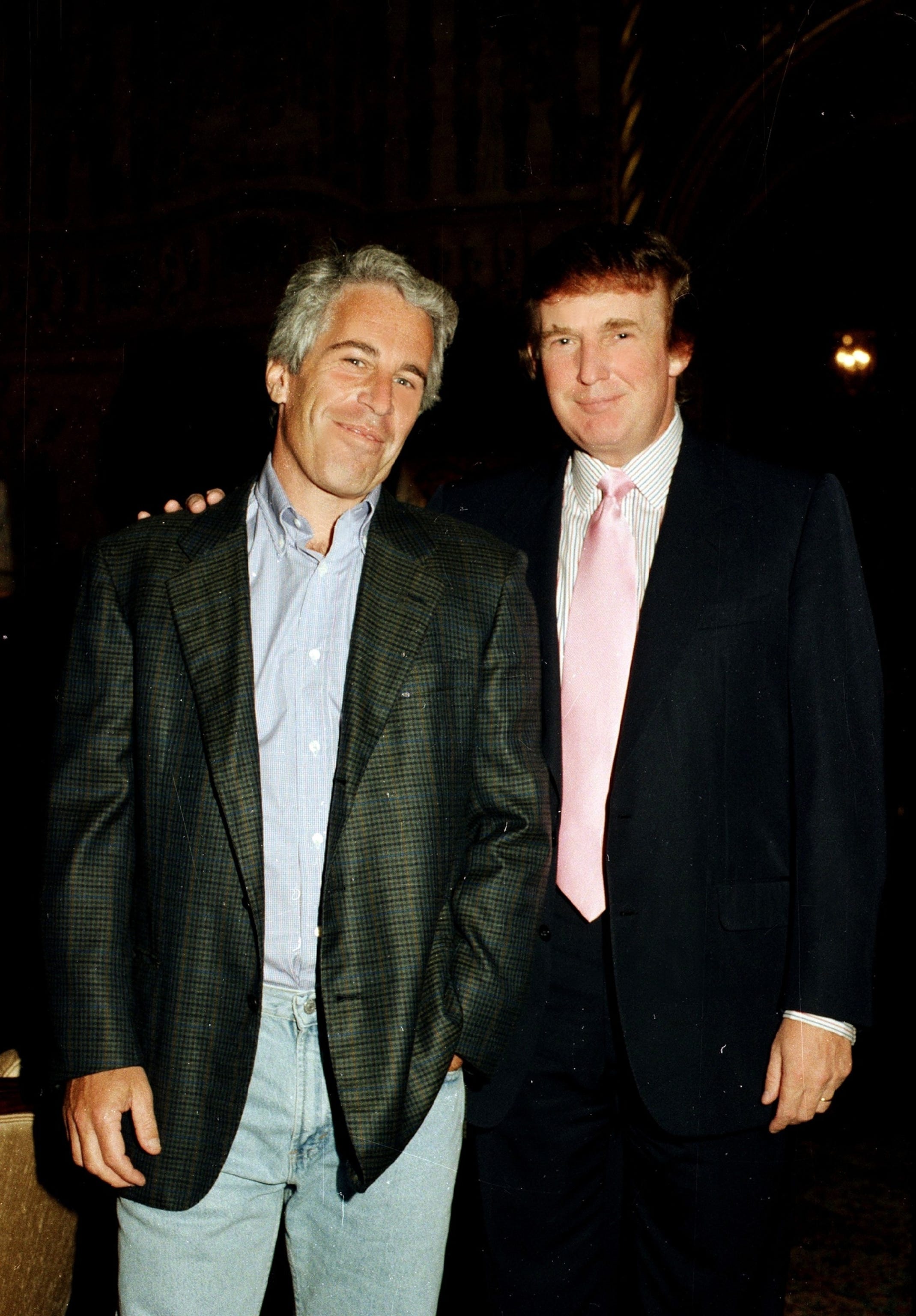
Davidoff Studios Photography/Getty Images