


At 11 a.m. today, Attorney General Todd Blanche is under an order to hand a federal judge both the redacted and unredacted versions of a specific set of documents: handwritten FBI notes from 2019 describing a woman’s allegation that Donald Trump sexually assaulted her when she was a teenager in the 1980s, after Jeffrey Epstein introduced them. Judge Emmet Sullivan isn’t ordering the notes released to the public today. He’s ordering them into his own chambers, for private review, before he decides what the public gets to see. The White House denies the account and calls it baseless. Trump has not been charged with anything connected to it. The notes exist because the FBI interviewed the woman in 2019 and produced four formal reports from that interview, and the handwritten originals are what the government has spent months trying not to hand over.
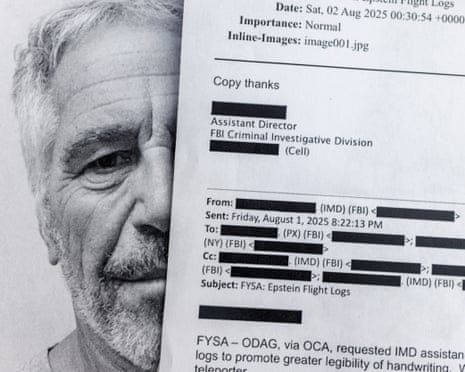
That single deadline is the sharp end of a fight that has been running since November 19, 2025, when Trump signed the Epstein Files Transparency Act into law. The bill passed the House 427 to 1, with only Kentucky Republican Clay Higgins opposed, and cleared the Senate the next day by unanimous consent. It is about as bipartisan as a law gets in this Congress. It tells the Attorney General to make the unclassified Epstein files public, in a searchable and downloadable format, within 30 days. It says explicitly that documents cannot be withheld to spare a government official or public figure embarrassment, reputational harm, or political sensitivity. It allows redactions to protect victims, and nothing else. And in the one detail that explains everything that has happened since, the law contains no penalty for the Attorney General simply not complying.