


The week the courts said no. Between Wednesday and Monday the Justice Department lost its Alaska suit outright, lost its California ballot request in the district court, the Ninth Circuit and the Supreme Court, and was told by a Trump-appointed judge in Washington that a dawn raid on James Comey would make him “extremely frustrated.” Then the election happened, and the department’s response to the losses, in the hours before the polls opened, was to move the Alaska matter from a courtroom it had lost to a grand jury it controls. Each case, what moved, what it means, and the next date.
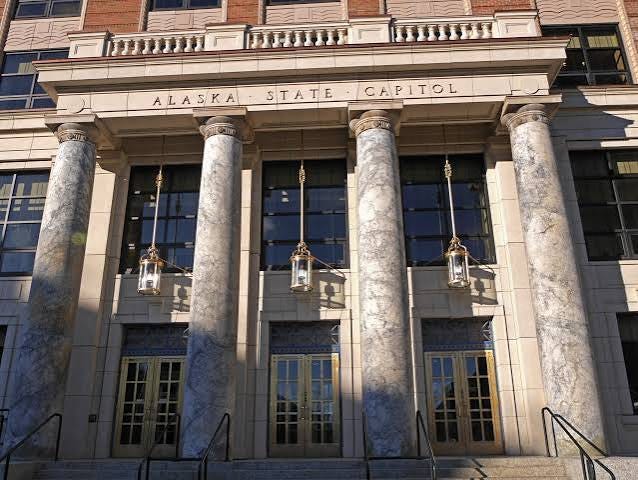
United States v. Alaska. District of Alaska, Judge Sharon Gleason. Dismissed Sunday morning, November 1, two days before the vote, in twenty pages.
What moved. Gleason threw the suit out for lack of standing and refused leave to amend, finding another try would be futile. The department’s last request, filed Friday, had asked her to order the state to pull and hold every ballot marked for the second Sullivan “pending an investigation” into whether voters were confused. Her answer: “The Court cannot grant the United States the relief it seeks,” because the government “provides no workable plan” to segregate those ballots without breaking the secrecy of the ballot, and segregating votes for a federal law-enforcement inquiry “is not a remedy that this Court can or should order.” The requests, she wrote, “involve the time, place, and manner of Alaska’s election,” which belong to the state. The department filed a notice of appeal within the hour. The civil case, as Rick Hasen put it Tuesday, has stalled; the Ninth Circuit has already written, in the California case, what it thinks of election-eve emergencies the government built itself.
Then the track changed. On Friday Michael Heyman, the U.S. attorney for Alaska, held a news conference to say his office and the FBI had spent months investigating the recruitment of Dan J. Sullivan. He named no statute. On Tuesday the Times reported the department is sending target letters to about twenty Democrats, among them Marc Elias and at least one DSCC official, on theories a source described as donor fraud and conspiracy. A state legislator says FBI agents visited constituents in Sitka and Petersburg who had donated to the second Sullivan. The president said over the weekend that Schumer and Elias should be held “criminally responsible,” and on Tuesday, on Fox, that Elias “should go to jail, in my opinion.” Elias: “This is not normal and yet here we are.”
What it means. A target letter is a prosecutor’s statement that you are under investigation; it is not a charge and nobody has been charged. The theory has to turn a legal tactic, which both Alaska parties have used and which the state’s own courts kept on the ballot twice, into a federal crime, and the department has not said which one. What is new is the sequence: a civil suit filed to withhold a result, dismissed by a judge who found no standing and no remedy, followed inside forty-eight hours by criminal letters to the lawyers and party officials on the other side of it, with the president naming the targets on television. The result the suit was filed to withhold is still being counted.
Next date. November 18, the ranked-choice tabulation; November 25, certification. The Ninth Circuit appeal has no schedule. The grand jury has no public one.