


Introduction:
In the United States, gun culture is deeply ingrained in the fabric of the nation's history and identity. This has led to a fierce debate over the role of firearms in society, particularly regarding the rights of individuals to own and carry guns. The opinion presented in this piece argues that prioritizing gun ownership over the lives of those affected by gun violence is a manifestation of a "mental disease" in American society. The following paragraphs will discuss the factors that contribute to this perspective.
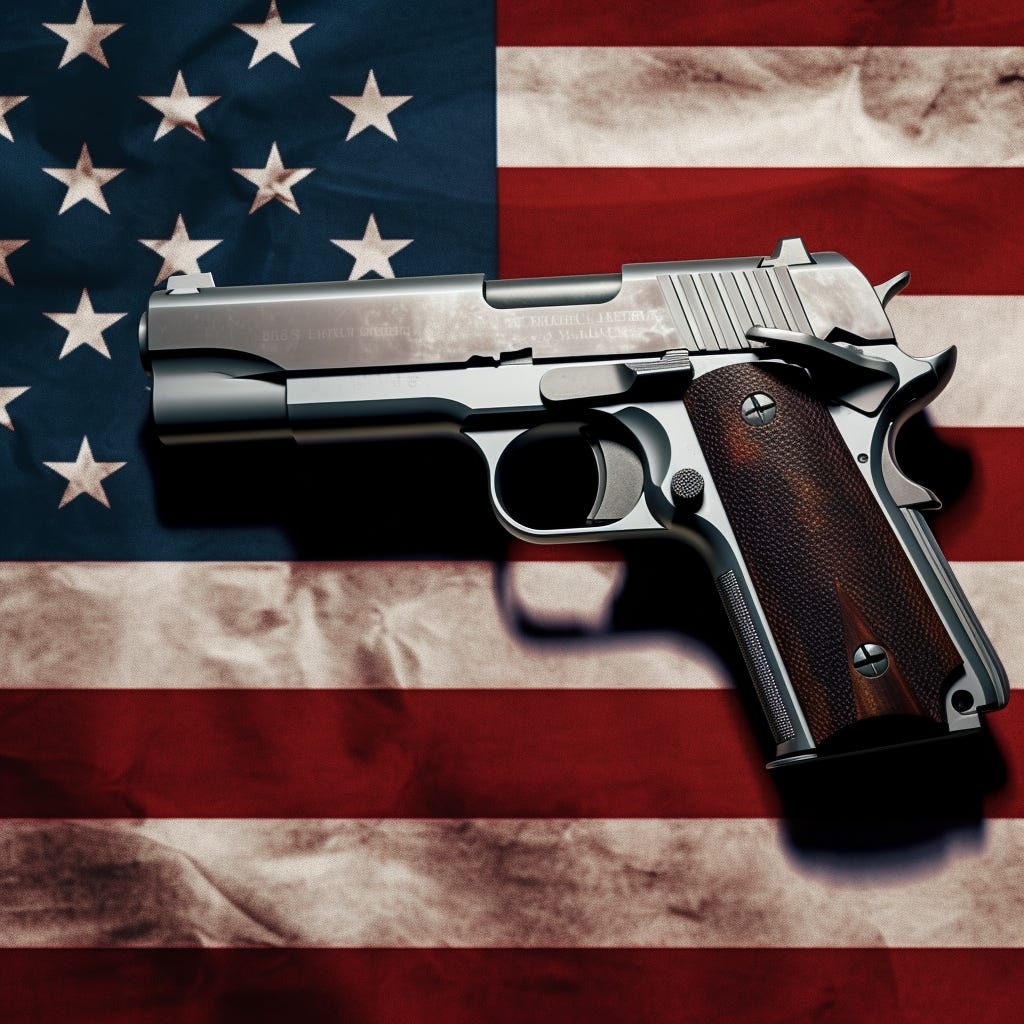
The Second Amendment and Interpretation:
Central to the American gun culture is the Second Amendment of the U.S. Constitution, which states, "A well-regulated Militia, being necessary to the security of a free State, the right of the people to keep and bear Arms, shall not be infringed." Over time, interpretations of this amendment have varied, with some arguing that it guarantees an individual's right to own firearms. This has led to a strong, unwavering belief in the importance of gun ownership for many Americans.
The NRA and Lobbying:
The National Rifle Association (NRA) has played a significant role in shaping America's gun culture. As a powerful lobbying organization, it has consistently advocated for more permissive gun laws, often placing the right to own firearms above the well-being of citizens affected by gun violence. Critics argue that the NRA's influence has resulted in a distorted perception of the importance of guns in society, potentially contributing to the "mental disease" described in the initial opinion.
Desensitization to Gun Violence:
The prevalence of gun violence in America has led to desensitization among some members of society. Daily news reports of shootings and gun-related deaths may cause people to accept gun violence as a normal aspect of life, further entrenching gun culture. This desensitization may also contribute to the idea that prioritizing gun ownership over the lives of those affected by violence is a mental aberration.
Conclusion:
While the term "mental disease" might be an emotionally charged way to describe the prioritization of gun ownership over the lives of those affected by gun violence, it does highlight the severity of the issue. The historical context of the Second Amendment, the influence of lobbying organizations like the NRA, and the desensitization to gun violence in American society all contribute to a deeply ingrained gun culture. Addressing this complex issue will require open dialogue, empathy, and a willingness to reevaluate the role of firearms in modern society.