


In the United States, the AR-15 and other dangerous firearms have taken on a larger-than-life presence, becoming ingrained in the fabric of American gun culture. These weapons, originally designed for military use, have transcended their initial purpose to become objects of near-religious devotion for some enthusiasts. As mass shootings and gun violence continue to plague the nation, the AR-15 and similar firearms have emerged as both symbols and instruments of this growing crisis. This article will delve into the factors that have elevated the AR-15 and its counterparts to their current iconic status, explore the impact of these weapons on American society, and offer potential solutions for balancing gun rights with public safety.
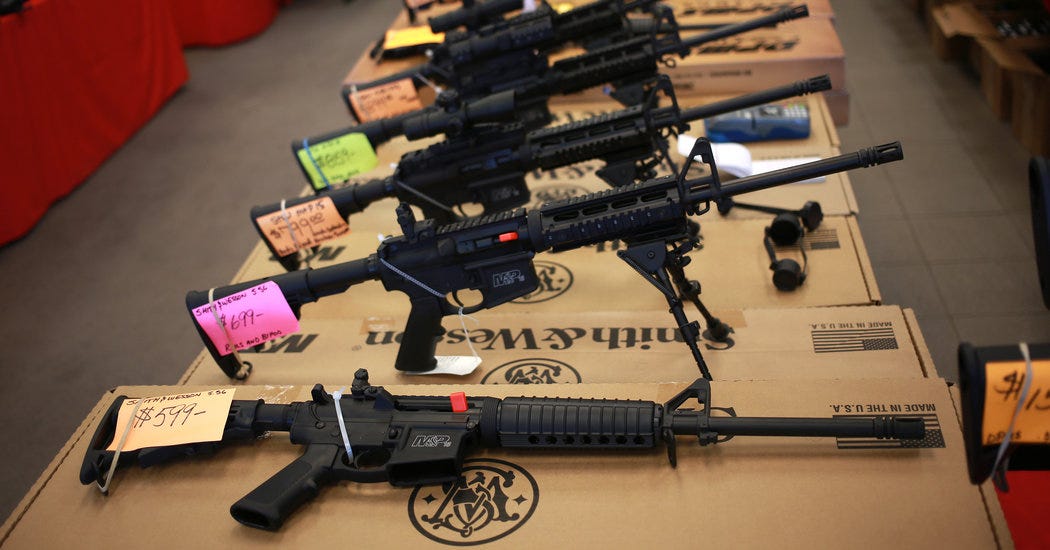
The Evolution of Dangerous Guns as Cultural Icons
As military innovations gave birth to powerful firearms like the AR-15 and other high-powered weapons, their transition to the civilian market sparked a fascination that continues to this day. The popularity of these firearms can be traced to several key factors that have contributed to their evolution as cultural icons.
The AR-15 and similar firearms were initially developed for military use, designed for their firepower and effectiveness in combat situations. Over time, these weapons found their way into the civilian market, becoming increasingly accessible to the general public. This transition has, in part, lent an air of prestige and power to these firearms, attracting enthusiasts and collectors.
The proliferation of mass media, action movies, and video games featuring high-powered firearms has further fueled the fascination with these weapons. From blockbuster films to first-person shooter games, the portrayal of guns like the AR-15 as powerful and glamorous tools has contributed to their rise as cultural icons.
Another factor in the popularity of the AR-15 and similar firearms is their customizability. Many gun enthusiasts appreciate the ability to modify and personalize these weapons, adding accessories and adjusting their configurations to suit their individual preferences. This customizability has fostered a strong sense of attachment and ownership among gun owners, further embedding these firearms in American gun culture.
Finally, guns like the AR-15 have become entwined in narratives surrounding self-defense and home protection. Advocates argue that these powerful weapons are necessary to protect against potential threats, while critics contend that they are excessive and pose a risk to public safety. This debate has only served to heighten the cultural significance of the AR-15 and other dangerous firearms in the United States.
In the following sections, we will delve deeper into the comparison of the AR-15 and other dangerous guns, their limited suitability for hunting, and the motivations behind their manufacturing. Additionally, we will explore the broader implications of the rising proliferation of mass shootings and gun violence in the country.
Comparing AR-15 and Other Dangerous Guns
As the AR-15 has become emblematic of American gun culture, it is crucial to understand its similarities and differences with other dangerous firearms that have also played a role in shaping the nation's relationship with guns.
Despite the differences in specific features, the AR-15 and other high-powered firearms have had comparable impacts on gun culture and public safety in the United States. Their association with military-style weaponry and the ability to inflict mass casualties has led to heightened concerns about their accessibility and role in perpetuating gun violence.
In the next sections, we will examine the reasons why guns like the AR-15 are ill-suited for hunting, the primary motivations behind the manufacturing of assault rifles, and the broader context of the rising proliferation of mass shootings and gun violence in the United States.
Ineffectiveness of Guns like the AR-15 for Hunting
Guns like the AR-15, originally designed for military purposes, are often seen as unsuitable for hunting due to their excessive power and potential for causing unnecessary harm to the environment and wildlife. This section explores the reasons why these firearms are not ideal for hunting activities.
A. Overpowered and Unsuitable for Hunting Purposes
The AR-15 and similar firearms, with their high-capacity magazines and rapid-fire capabilities, are often considered overpowered for hunting. Their use can lead to excessive damage to the hunted animals, reducing the likelihood of a clean, humane kill. Additionally, the firepower of these weapons can potentially harm the surrounding environment, damaging trees and other vegetation.
The use of high-powered firearms like the AR-15 in hunting also raises ethical concerns. The potential for overkill and the subsequent suffering of animals can be seen as a violation of the principles of ethical hunting, which emphasize respect for wildlife and the environment. Furthermore, the use of these firearms can contribute to lead contamination in the ecosystem, posing risks to both wildlife and humans.
Traditional hunting rifles and shotguns, designed specifically for hunting purposes, are often seen as more suitable alternatives to guns like the AR-15. These firearms typically have lower rates of fire, smaller magazine capacities, and calibers more appropriate for humanely hunting various game species. By using firearms designed for hunting, sportsmen and women can adhere to ethical hunting practices while minimizing the potential harm to wildlife and the environment.
The Primary Reason for Manufacturing Assault Rifles
To understand the prevalence of guns like the AR-15 in American society, it is essential to examine the motivations behind their production. This section delves into the primary driving forces behind the manufacturing of assault rifles and their continued presence in the civilian market.
One of the main reasons for the manufacturing of assault rifles like the AR-15 is the demand from the civilian market. The fascination with military-style firearms, fueled by their portrayal in mass media and the narratives surrounding self-defense, has created a profitable market for gun manufacturers. The financial incentives associated with producing and selling these weapons have led to a steady supply of assault rifles in the United States.
Gun manufacturers, along with organizations like the National Rifle Association (NRA), play a significant role in promoting the ownership of assault rifles. These entities often use marketing campaigns that emphasize the firearms' military heritage, customizability, and effectiveness in self-defense situations. By appealing to potential buyers' emotions and desires for power and control, gun manufacturers and the NRA contribute to the ongoing demand for assault rifles in the civilian market.
The Rising Proliferation of Mass Shootings and Gun Violence in the United States
As guns like the AR-15 continue to gain prominence in American culture, the nation has witnessed a disturbing increase in mass shootings and gun violence. This section aims to provide a broader context for understanding the proliferation of these tragic events and their connection to the idolization of dangerous firearms.
Over the past few decades, the United States has experienced a significant increase in the frequency of mass shootings. Factors such as the accessibility of high-powered firearms, social and economic stressors, and mental health issues have all contributed to this alarming trend. As mass shootings become more common, public concern and fear surrounding these events have intensified, further fueling the debate around gun control and the role of firearms like the AR-15.
Guns like the AR-15 have been used in several high-profile mass shootings, leading to a growing perception of these weapons as tools of destruction and terror. The firepower, high-capacity magazines, and rapid-fire capabilities of these firearms enable shooters to inflict mass casualties in a short period, exacerbating the devastation caused by these tragic events.
The rising proliferation of mass shootings and the prominence of guns like the AR-15 in these incidents have broader implications for gun violence in the United States. The normalization of these firearms and their association with violence can contribute to an increasingly aggressive gun culture, making it more challenging to address and prevent gun violence in various forms.
Consequences of Idolizing Dangerous Guns
The idolization of dangerous firearms like the AR-15 has far-reaching consequences for American society, affecting the gun control debate, gun culture, and public health and safety. This section delves into the implications of this phenomenon and its impact on the nation.
The glorification of guns like the AR-15 has made it increasingly difficult to have constructive conversations around gun control policies. The strong emotional attachment to these firearms and their role in self-defense narratives often leads to polarized and unproductive debates, hindering the development of effective legislation that balances gun rights with public safety concerns.
The idolization of dangerous firearms has also contributed to the normalization of these weapons within American gun culture. This normalization can lead to the perception that owning such firearms is not only acceptable but also desirable, further entrenching the divide between those who advocate for stricter gun control measures and those who oppose them.
Lastly, the glorification of guns like the AR-15 poses significant public health and safety risks. The accessibility of these weapons increases the likelihood of their use in mass shootings and other acts of gun violence, putting innocent lives at risk. Additionally, the presence of these firearms in homes can lead to accidental injuries or deaths, particularly among children and adolescents.
Solutions and Future Directions for Addressing the Idolization of Dangerous Firearms
To address the issue of idolizing dangerous firearms like the AR-15 and its consequences on American society, a multi-faceted approach is needed. This section explores potential solutions and future directions that can help to create a safer and more responsible gun culture.
Implementing comprehensive gun control legislation that balances the rights of responsible gun owners with public safety concerns is crucial. This may include measures such as universal background checks, mandatory waiting periods, restrictions on high-capacity magazines, and banning firearms like the AR-15 and other similar assault rifles from civilian ownership.
Promoting responsible gun ownership through education and training can help to shift the cultural narrative surrounding dangerous firearms. By emphasizing the importance of safety, proper storage, and responsible usage, gun owners can be encouraged to view firearms as tools rather than status symbols or objects of power.
Challenging the glorification of dangerous firearms in mass media, including movies, television, and video games, can play a role in reducing their idolization. By presenting more realistic and responsible portrayals of firearms and their use, the media can contribute to changing public perceptions and attitudes towards guns like the AR-15.
Addressing the mental health issues that often contribute to gun violence is another essential component of a comprehensive solution. This may include increasing access to mental health care, implementing early intervention programs in schools and communities, and reducing the stigma associated with seeking help for mental health concerns.
Finally, grassroots movements and community engagement can play a vital role in changing the culture around dangerous firearms. By working together to raise awareness, advocate for policy changes, and support responsible gun ownership, communities can help to shift the cultural narrative and reduce the idolization of guns like the AR-15.
By pursuing these solutions and future directions, the United States can work towards addressing the idolization of dangerous firearms and creating a safer, more responsible society.
Conclusion
The AR-15 and other dangerous firearms have become deeply ingrained in American gun culture, leading to a range of consequences for public safety, the gun control debate, and societal norms. As mass shootings and gun violence continue to plague the nation, it is imperative that we reevaluate our relationship with these powerful weapons and work towards a more responsible and balanced approach to gun ownership.
Through comprehensive gun control legislation, responsible gun ownership education, changes in media portrayals, mental health support, and grassroots movements, we can begin to address the idolization of dangerous firearms like the AR-15. By adopting these multi-faceted solutions, we can create a safer society that respects the rights of responsible gun owners while prioritizing the well-being of our communities and the lives of innocent people.
The journey towards a safer and more responsible gun culture is a challenging one, but by confronting the idolization of dangerous firearms and working together to implement change, we can build a brighter, more secure future for all Americans.