


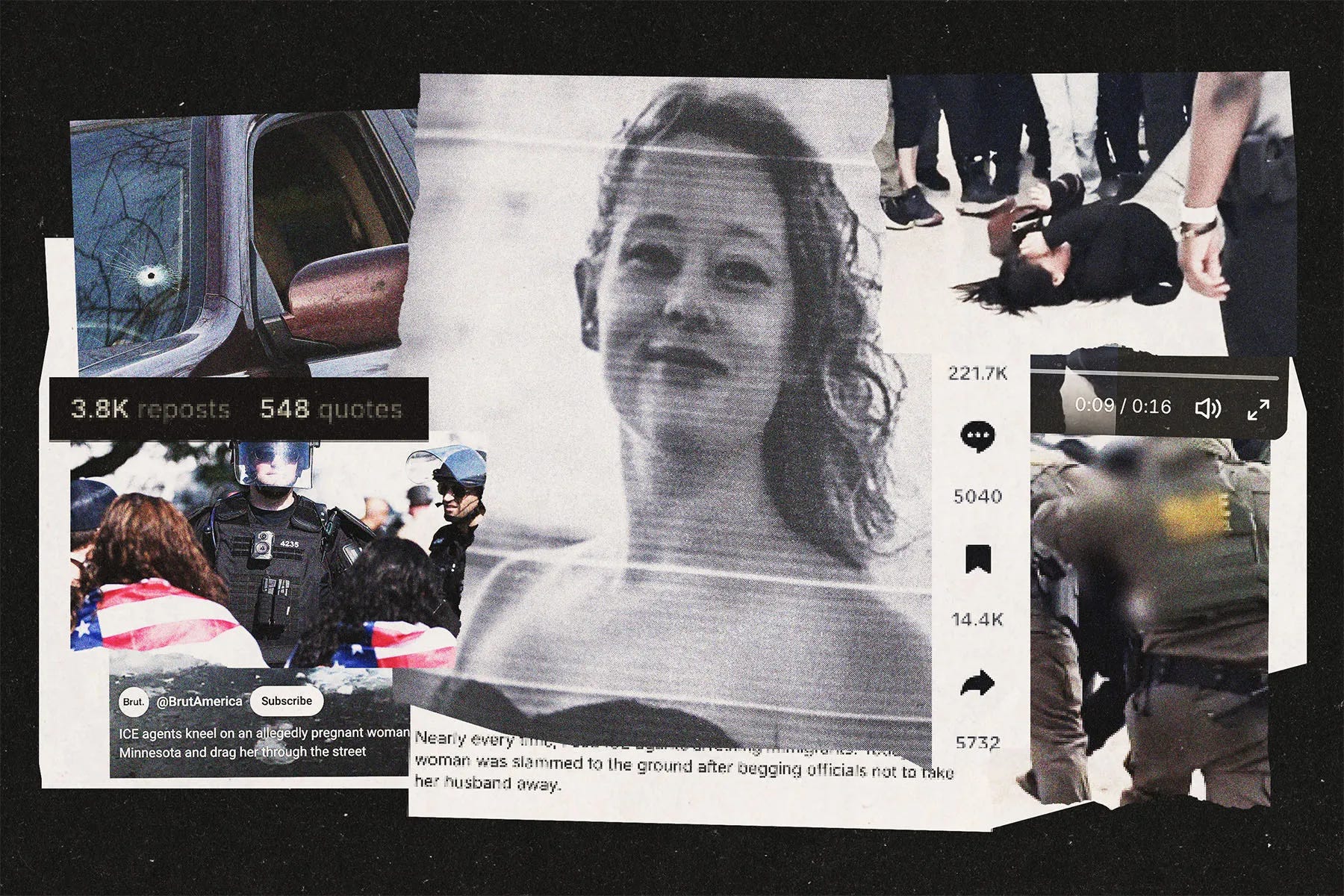
The temptation, watching federal agents kill American citizens on American streets, is to reach for the word chaos. An agency that grew too fast. Standards that slipped under pressure. Tragic outcomes from a rushed expansion.
That reading is available and it is wrong, and the thing that makes it wrong is a calendar.
On March 21, 2025, the Department of Homeland Security fired most of the staff of the Office for Civil Rights and Civil Liberties, its internal watchdog. The hiring surge that added twelve thousand officers under drastically lowered standards did not begin until that August.
Five months separate those events. The capacity to detect misconduct was destroyed before the people who would commit it were hired.
Nothing about that sequence can be explained as a response to anything, because in March there was nothing yet to respond to. The order is the argument, and once you have seen it, the word chaos becomes unavailable.
What Was Destroyed in March
The Office for Civil Rights and Civil Liberties exists because Congress created it. It was established under the Homeland Security Act specifically to investigate abuses by federal immigration personnel, alongside the Office of the Immigration Detention Ombudsman and the CIS Ombudsman. These are not advisory bodies. They are statutory offices with statutory functions.
In March 2025, Secretary Kristi Noem fired the majority of CRCL’s staff. The office went from roughly one hundred fifty people to fewer than forty. Hundreds of active civil rights investigations froze in place.
The effect on the detention ombudsman’s office is measurable in a way that requires no interpretation. Between January 20 and March 21 of 2025, OIDO resolved, dismissed, or otherwise closed 2,057 complaints. Between March 21 and August 13, according to DHS data produced in litigation, it closed zero.
Not few. Zero.
Among the frozen matters were roughly twenty-five open sexual abuse investigations, including allegations that a woman experiencing a mental health crisis in ICE detention was forcibly strapped to a restraint chair by male guards, stripped, and mocked. A whistleblower disclosure warned that with the firing of every staff member with expertise in custodial sexual abuse prevention, all oversight aimed at protecting detainees from sexual assault had stopped.
A federal court had to order the department to publicly announce that these offices remained open and able to perform their statutory functions, which tells you what the department’s position had been.
Then came the hiring.